
How to Choose the Right Felt for Your Application?
Learning how to choose industrial felt is essential for achieving the right balance of performance, durability, and functionality in your application.Choosing the right felt is an important step in achieving the desired performance, durability, and functionality of a finished product. With different felt types, weights, thicknesses, and hardness levels available, selecting the right material depends on the specific requirements of each application.
In this guide, we explain the key factors to consider when choosing felt for industrial and commercial applications.
1. Consider the Application
The first step is to understand how the felt will be used.Different applications require different material properties. For example, a furniture manufacturer may need soft and flexible felt for cushioning, while an industrial application may require a denser and harder material for protection, insulation, or structural support.
Common applications include:
- Furniture and upholstery
- Mattress and bedding manufacturing
- Automotive interiors
- Thermal and acoustic insulation
- Cushioning and padding
- Surface protection
- Various industrial applications
Understanding the final use helps determine which type of felt is most suitable.
2. Choose the Right Felt Hardness
When learning how to choose industrial felt, consider whether your application requires soft, medium hard, hard, or ultra hard felt. Felt hardness is another important consideration.
Soft Felt
Soft felt is flexible and provides good cushioning. It is commonly used in applications where comfort, softness, and flexibility are important.
Typical applications include furniture, mattresses, upholstery, and bedding products.
Medium Hard Felt
Medium hard felt provides a balance between softness and firmness. It can be suitable for applications requiring both cushioning and support.
Hard Felt
Hard felt offers greater firmness and structural stability. It is often selected for applications where higher density, durability, and resistance are required.
Ultra Hard Felt
Ultra hard felt is designed for applications that require a higher level of hardness and material strength.
The right hardness depends on the required performance of the finished product.
3. Understand GSM and Material Weight
GSM stands for grams per square meter and is commonly used to describe the weight of textile and felt materials.
The GSM of felt can affect its overall feel, density, thickness, and performance.
For example, lighter felt may be suitable for applications where flexibility and reduced material weight are important, while heavier felt can provide increased cushioning, coverage, and material density.
However, GSM should not be considered alone. Thickness, density, hardness, and material composition should also be evaluated.
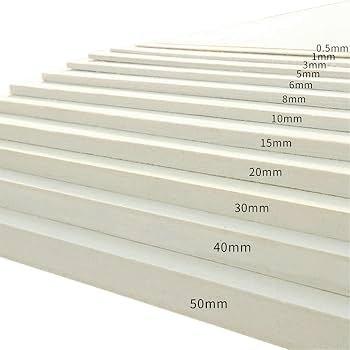
4. Consider Thickness
The required thickness depends on the function of the felt.
Thicker felt can provide increased cushioning, padding, and insulation, while thinner felt may be preferred where space is limited or greater flexibility is required.
Before selecting a thickness, consider:
- Available installation space
- Required cushioning
- Required insulation
- Compression requirements
- Final product design
5. Consider Width and Dimensions
The required dimensions are also important, especially for manufacturing applications.
Depending on the production process, manufacturers can supply felt, sheets, or other formats.
Choosing suitable dimensions can help reduce material waste and improve production efficiency.
6. Consider Flexibility and Handling
Some applications require felt that can easily be cut, shaped, folded, or installed.
Soft and flexible felt can be useful when the material needs to follow curved surfaces or complex shapes.
For applications requiring greater stability, a harder and denser felt may be more appropriate.
7. Consider the Required Performance
Before selecting a felt product, identify the most important performance characteristics for your application.
Depending on the intended use, you may need to consider:
- Cushioning
- Insulation
- Sound absorption
- Surface protection
- Durability
- Flexibility
- Hardness
- Density
Defining these requirements makes it easier to identify the appropriate felt specification.
8. Custom Felt Specifications
Not every application can be served by a standard specification.
For specific manufacturing requirements, manufacturers can produce felt according to particular weight, thickness, width, hardness, or dimensional requirements.
Discussing your requirements with an experienced manufacturer can help you determine the most suitable specification for your application.
Learning how to choose industrial felt helps manufacturers select the right combination of hardness, GSM, thickness, and dimensions for their specific production needs.
Which Felt Is Right for You?
There is no single felt specification that is suitable for every application.
The right choice depends on the combination of application, hardness, GSM, thickness, dimensions, flexibility, and required performance.
At ThermoAksam, we offer different felt solutions designed for a variety of industrial and commercial requirements.
Explore our Soft Felt, Medium Hard Felt, Hard Felt, and Ultra Hard Felt products to find the solution that best matches your application.
If you are unsure which type of felt is right for your project, contact our team and share your requirements. We can help you identify the appropriate felt solution for your application.
Let’s find the right felt solution for your application.