
Understanding GSM in Felt Products: What Does GSM Mean?
When selecting felt for industrial or commercial applications, it is important to understand GSM in felt products. GSM stands for Grams per Square Meter and indicates the weight of one square meter of material. This measurement helps you compare felt products and understand their material weight. However, thickness, density, and flexibility also affect performance. Therefore, you should consider these properties together when choosing the right felt for your application.
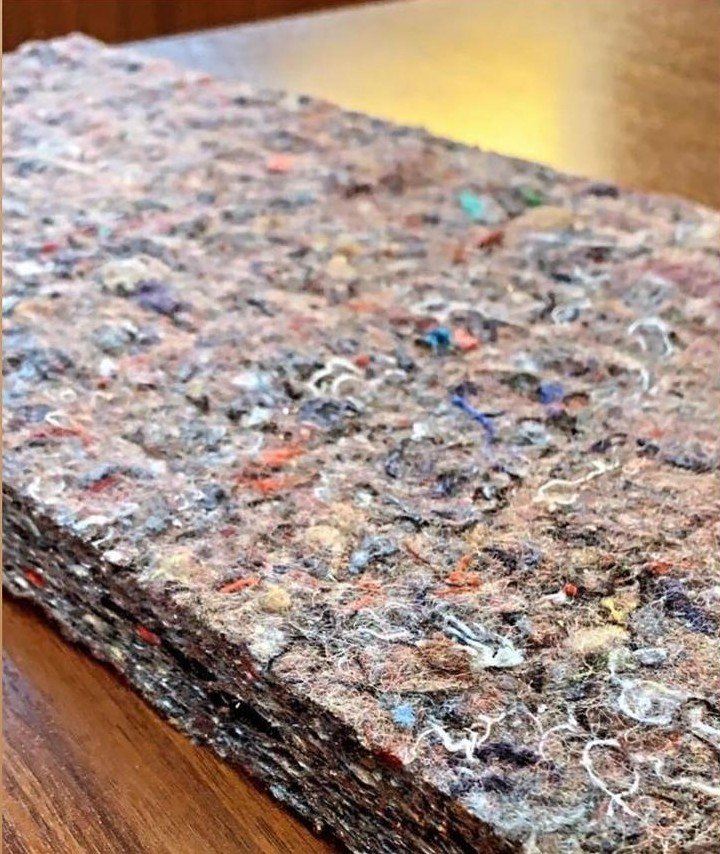
What Does GSM Mean?
GSM stands for Grams per Square Meter. It indicates the weight of one square meter of material.
For example, a felt product with a specification of 2000 GSM weighs approximately 2000 grams per square meter.
GSM is commonly used to describe the weight of textile and nonwoven materials, including industrial felt.
However, GSM alone does not determine the complete performance of a felt product.
Why Is GSM Important?
GSM can provide a useful indication of the amount of material contained within a specific area.
Depending on the manufacturing process and material composition, differences in GSM can influence characteristics such as:
- Material weight
- Thickness
- Density
- Cushioning
- Flexibility
- Overall feel
- Coverage
For this reason, GSM is an important specification to consider when selecting felt.
Does Higher GSM Always Mean Thicker Felt?
Not necessarily.
A higher value generally indicates more material weight per square meter, but weight and thickness are not the same specification.
Two felt products can have different GSM values while having different thicknesses or densities.
The relationship between GSM, thickness, density, and material composition depends on how the felt is manufactured.
Therefore, when selecting felt, it is important to consider the complete set of technical specifications rather than relying on GSM alone.
GSM and Felt Density
Density is another important factor when evaluating felt.
While GSM describes the weight of the material per square meter, density describes how much material is contained within a specific volume.
Two products with similar GSM values may perform differently if their thickness or density differs.
For demanding applications, considering GSM together with thickness, density, and hardness can provide a better understanding of the material’s expected performance.
Choosing the Right GSM
The appropriate material weight depends on the application and the required properties of the final product
For example, applications that require lightweight and flexible material may require a different GSM from applications where greater cushioning, coverage, or material density is needed.
Before selecting a GSM specification, consider:
- The intended application
- Required thickness
- Required hardness
- Desired flexibility
- Cushioning requirements
- Installation space
- Manufacturing process
GSM Across Different Felt Types
Different felt types can be available in different GSM ranges depending on their intended applications.
For example:
Soft Felt
Soft felt can be suitable for applications where flexibility, cushioning, and comfort are important.
Medium Hard Felt
Medium hard felt provides a balance between flexibility and firmness and can be used in applications requiring moderate support and cushioning.
Hard Felt
Hard felt provides increased firmness and stability for applications requiring a more rigid material.
Ultra Hard Felt
Ultra hard felt is intended for applications requiring higher levels of hardness and material strength.
The appropriate GSM should always be selected together with the other technical characteristics of the felt.
How to Select the Right Felt Specification
When ordering felt for a specific application, it is useful to provide as much information as possible to the manufacturer.
Important details may include:
- Required areal weight (g/m²)
- Thickness
- Width
- Hardness
- Dimensions
- Intended application
- Required quantity
Providing these details allows the manufacturer to better understand your requirements and recommend an appropriate material specification.
Need Help Choosing the Right Felt?
GSM is an important specification, but it is only one part of selecting the right felt.
At ThermoAksam, we provide different felt solutions for a wide range of industrial and commercial applications.
Explore our Soft Felt, Medium Hard Felt , Hard Felt, and Ultra Hard Felt products to learn more about our available solutions.
If you are unsure about the appropriate GSM or felt specification for your application, contact our team to discuss your requirements.
Let’s find the right felt solution for your application.